

5 Must-Have Features in a Rotary Dryer
Oct. 17, 2024
Efficient Heat Transfer Mechanism
When selecting a rotary dryer, one of the most crucial features to consider is the efficiency of its heat transfer mechanism. A rotary dryer operates by moving materials through a rotating drum while applying heat to evaporate moisture. Efficient heat transfer ensures that the material receives consistent and adequate heat throughout the drying process. This can be achieved through either direct or indirect heating methods. Direct-fired dryers use combustion gases to heat the material directly, which can lead to faster drying times but requires careful control to avoid product contamination. On the other hand, indirect dryers transfer heat through the metal shell of the drum, offering better control over the drying environment. Understanding the implications of each method can help you choose a dryer that maximizes energy efficiency and minimizes product degradation.
Robust Construction and Durability
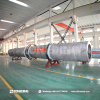
The construction quality of a rotary dryer significantly impacts its performance and longevity. A well-built dryer should be constructed from heavy-duty materials capable of withstanding high temperatures and the mechanical stresses of continuous operation. Look for dryers made from high-quality steel, as they provide better resistance to wear and corrosion. Additionally, features such as reinforced drum seams and heavy-duty bearings can enhance durability. Investing in a robustly constructed rotary dryer not only ensures reliable performance but also reduces maintenance needs and downtime, ultimately saving you money in the long run.
Adjustable Speed and Feed Rate Control
Another essential feature of a rotary dryer is the ability to adjust the speed and feed rate. This flexibility allows you to customize the drying process based on the specific characteristics of your material, such as its moisture content and particle size. For example, materials with high moisture content may require a slower feed rate and longer residence time in the dryer to achieve optimal drying results. Conversely, smaller particles may need a faster feed rate to prevent overheating. The ability to fine-tune these parameters can lead to improved product quality and efficiency, making adjustable speed control a must-have feature.
Effective Dust Control and Environmental Compliance
With increasing scrutiny on environmental impacts, effective dust control is an essential feature in any rotary dryer. A quality dryer should be equipped with dust collection systems that minimize airborne particles during operation. This is not only crucial for maintaining a safe workplace but also for meeting environmental regulations. Some advanced rotary dryers incorporate features that capture and recycle dust, further enhancing their environmental performance. Ensuring that your dryer complies with local and federal environmental regulations can prevent costly fines and help bolster your company's reputation.
Further reading:Brewpub vs Microbrewery: Which Is Right for You?
Key Questions to Ask When Choosing a 5bbl Pilot Brewery System
How Will 250KW Cotton Straw Briquetting Revolutionize Sustainability?
Maximize Efficiency with Coarse Grinding Hammer Mills
Key Questions to Ask When Choosing the Best Sawdust Briquettes for Your Needs
Maximize Efficiency with Fine Grind Hammer Mill
How to Choose the Best Side Panel for Your Chassis Exporter?
Advanced Control Systems
Modern rotary dryers often come equipped with advanced control systems that significantly enhance usability and efficiency. These systems allow for real-time monitoring of critical parameters such as temperature, airflow, and moisture content, enabling operators to make informed adjustments on the fly. Many newer models feature user-friendly interfaces that provide easy access to control settings and diagnostic information. Additionally, some dryers offer automation capabilities, allowing for more precise control of the drying process. Such advanced features not only improve the overall efficiency of the dryer but also reduce the risk of human error, contributing to smoother and safer operations.
Energy Efficiency
Energy costs are a significant concern for many businesses, making energy efficiency a vital feature to consider when purchasing a rotary dryer. Look for dryers that utilize energy-saving technologies, such as heat recovery systems, which can capture and reuse hot air within the drying process. This not only reduces energy consumption but also lowers operational costs. Additionally, consider the type of fuel the dryer uses—options may include natural gas, propane, or electricity—each with different costs and efficiency levels. An energy-efficient dryer can lead to substantial savings over its lifespan, making it a wise investment.
Maintenance and Serviceability
Choosing a rotary dryer with low maintenance requirements is essential for minimizing downtime and ensuring smooth operations. Look for features such as easy access panels that allow for quick inspections and maintenance. Additionally, the dryer should be designed to minimize wear on components, thus extending their lifespan. It is also beneficial to select a manufacturer that offers reliable support and service options. A strong service partnership can help you address any issues that arise quickly, keeping your operations running efficiently.
Customization Options
Every business has unique needs, and a one-size-fits-all approach may not be suitable for everyone. Consider manufacturers that offer customization options for rotary dryers. Custom features can include varying drum sizes, specialized coatings for corrosive materials, and specific configurations designed for particular materials. Engaging with a manufacturer that understands your specific requirements can lead to a more efficient and effective drying process tailored to your operational needs.
Conclusion
In conclusion, selecting the right rotary dryer involves considering several critical features that directly impact performance, efficiency, and usability. Focus on the heat transfer mechanism, robust construction, adjustable speed and feed rate control, effective dust control, advanced control systems, energy efficiency, maintenance requirements, and customization options. By prioritizing these features, you can ensure that the rotary dryer you choose meets your production needs while optimizing performance and minimizing operational costs. Taking the time to consult with reputable manufacturers and industry experts will help you make an informed decision that supports your business objectives.
Further reading:The Advantages of Choosing a Quality Water Filter System for Home Use
Is Your 300L Brewery Meeting All Your Production Needs?
Is Your High-Speed Bundling Machine Maximizing Efficiency and Reducing Waste?
What Are the Benefits of a Strapping Machine with Adjustable Tension?
What factors influence battery module purchase decisions?
Revolutionize Your Packaging with Ultrasonic Strapping System
208
0
0
All Comments (0)
Previous: How to Choose a Custom Double Column Machining Center for Large Workpieces
Next: None
Related Articles


If you are interested in sending in a Guest Blogger Submission,welcome to write for us!

Comments