

How Does a Gas-Fired Boiler Work?
Oct. 23, 2025
Gas-fired boilers are among the most efficient and widely used heating systems in residential, commercial, and industrial applications. They provide consistent heat and hot water by burning natural gas or propane to generate thermal energy. Understanding how a gas-fired boiler works can help users operate their system more efficiently, ensure safety, and make informed decisions about maintenance or replacement.
This article provides a clear, step-by-step explanation of the working principle, key components, types, and advantages of gas-fired boilers.
1. What Is a Gas-Fired Boiler?
A gas-fired boiler is a heating system that burns natural gas or liquefied petroleum gas (LPG) to heat water or produce steam. The hot water or steam generated is then distributed through pipes to radiators, underfloor heating systems, or industrial processes to provide heat.
Unlike electric or oil-fired systems, gas-fired boilers are known for their energy efficiency, fast heating capability, and cost-effectiveness.
2. The Working Principle of a Gas-Fired Boiler
The operation of a gas-fired boiler follows a simple but efficient process:
Step 1: Gas Supply and Ignition
Natural gas or propane enters the boiler through a gas valve. When the thermostat or control system detects a demand for heat, the gas valve opens, allowing fuel to flow into the burner.
An electronic igniter or pilot flame ignites the gas, creating controlled combustion.
Step 2: Heat Generation in the Combustion Chamber
The burning gas produces hot flames and exhaust gases inside the combustion chamber. This chamber is surrounded by heat exchanger tubes, where heat is transferred to the circulating water.
Step 3: Heat Transfer to Water or Steam
As the heat exchanger absorbs thermal energy from combustion gases, it heats the water inside the system.
In hot water boilers, the heated water is pumped to radiators or storage tanks.
In steam boilers, the water turns into steam and travels through pipes to provide heat or power machinery.
Step 4: Flue Gas Exhaust
After heat transfer, the flue gases are expelled through a chimney or flue pipe. Modern boilers often include condensing systems that extract additional heat from exhaust gases, improving efficiency.
Step 5: Temperature Regulation
Once the water or steam reaches the desired temperature, sensors signal the control system to shut off the burner until more heat is needed. This on/off cycling maintains consistent indoor temperatures while conserving energy.
3. Key Components of a Gas-Fired Boiler
A typical gas-fired boiler includes several essential parts that work together for safe and efficient heating:
Burner: Mixes gas and air for combustion.
Combustion Chamber: Contains and directs the burning process.
Heat Exchanger: Transfers heat from combustion gases to water.
Circulator Pump: Moves hot water through the heating system.
Expansion Tank: Absorbs pressure changes as water expands.
Flue or Chimney: Exhausts combustion gases safely.
Thermostat & Control Panel: Regulates temperature and system operation.
Safety Valves: Prevent overpressure or overheating.
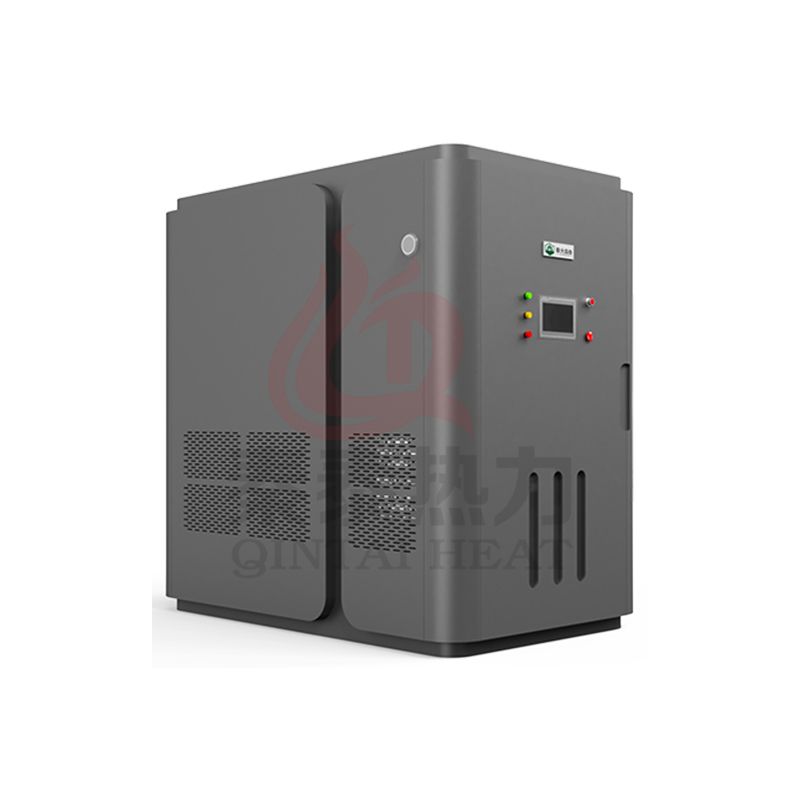
4. Types of Gas-Fired Boilers
Gas-fired boilers are available in several designs, depending on heating requirements and system layout:
A. Conventional (Non-Condensing) Boilers
These boilers vent hot exhaust gases directly through a chimney. They are reliable but less efficient because some heat is lost in the exhaust.
B. Condensing Boilers
Condensing boilers recover additional heat from the exhaust gases by condensing water vapor. This increases efficiency up to 90–98%, making them the preferred choice for modern installations.
C. Combi (Combination) Boilers
A combi boiler provides both heating and domestic hot water in a single compact unit—ideal for smaller homes and apartments.
D. System and Regular Boilers
System boilers include built-in pumps and expansion tanks for quick installation.
Regular (heat-only) boilers work with external tanks and are suitable for large buildings.
5. Advantages of Gas-Fired Boilers
Gas-fired boilers offer numerous benefits that make them a popular heating choice:
High Energy Efficiency: Especially condensing models that reuse heat from flue gases.
Cost-Effective Operation: Natural gas is often cheaper than electricity or oil.
Consistent and Even Heating: Maintains stable indoor temperatures.
Low Maintenance Needs: Fewer moving parts reduce breakdowns.
Compact Design: Suitable for both small and large buildings.
Environmentally Friendly: Produces lower CO₂ emissions compared to coal or oil boilers.
Fast Response: Quickly heats water on demand.
6. Common Applications of Gas-Fired Boilers
Gas-fired boilers are versatile and used in a wide range of environments:
Residential: Central heating and domestic hot water supply.
Commercial: Office buildings, schools, hospitals, and hotels.
Industrial: Steam generation for manufacturing, textile, and food processing industries.
District Heating Systems: Provides centralized heat to multiple buildings.
7. Maintenance and Safety Tips
To ensure optimal efficiency and safety, regular maintenance is crucial:
Annual Inspections: Have a qualified technician check the burner, flue, and pressure controls.
Clean the Heat Exchanger: Prevent soot buildup for better heat transfer.
Monitor Gas Pressure: Ensure correct fuel-air mixture.
Check for Leaks: Gas leaks or water drips must be repaired immediately.
Install a Carbon Monoxide Detector: For safety in enclosed spaces.
Routine servicing extends boiler life, reduces fuel consumption, and prevents costly repairs.
8. Energy Efficiency and Environmental Impact
Modern condensing gas-fired boilers are highly energy-efficient, converting up to 98% of fuel energy into heat. They also produce lower greenhouse gas emissions, making them a cleaner alternative to oil or coal-fired systems.
To further improve efficiency:
Use a programmable thermostat.
Install insulated pipes to reduce heat loss.
Perform regular boiler tuning and cleaning.
9. Future Trends in Gas Boiler Technology
The boiler industry continues to evolve with advancements such as:
Smart Control Systems for remote monitoring and optimization.
Hybrid Systems that combine gas boilers with heat pumps.
Low-NOx Burners for reduced emissions.
Hydrogen-Ready Boilers, designed to operate on cleaner fuels of the future.
These innovations aim to enhance performance, safety, and environmental sustainability.
10. Conclusion
A gas-fired boiler operates by burning natural gas or propane to heat water or generate steam for space heating and industrial use. Its reliable operation, high efficiency, and adaptability make it one of the most popular heating solutions worldwide.
Whether you’re managing a household system or an industrial plant, understanding how a gas-fired boiler works helps you optimize energy use, improve safety, and extend equipment life.
189
0
0
All Comments (0)
Previous: None
Next: What Are the Benefits of Vacuum Boilers for Efficiency?
If you are interested in sending in a Guest Blogger Submission,welcome to write for us!

Comments