

What Are the Benefits of Induction Annealing Machines?
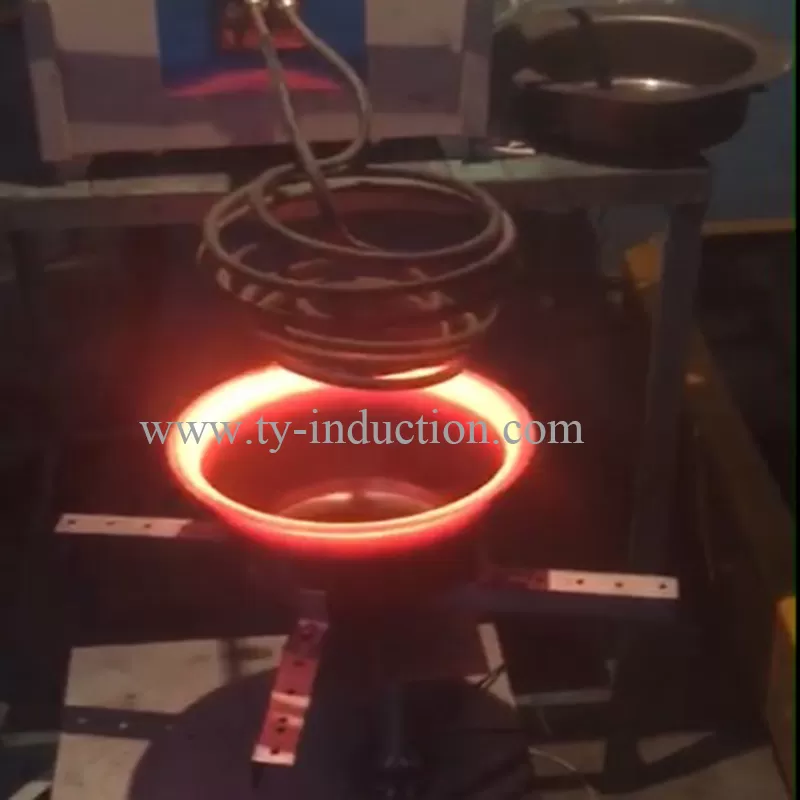
Induction annealing is a highly efficient, precise, and cost-effective method widely utilized in various industries to improve the properties of metals. Unlike traditional annealing processes, induction annealing leverages electromagnetic induction to heat metal components, guaranteeing uniform temperature distribution and faster processing times. This article discusses the various advantages of induction annealing machine, highlighting why they are becoming a crucial asset in manufacturing and metal processing sectors.
Enhanced Process Efficiency
One of the primary benefits of using induction annealing machines is their remarkable efficiency. In contrast to conventional furnace-based annealing, which often requires significant preheating, induction annealing allows for instantaneous heating, thus minimizing production downtime. This targeted heating technology reduces energy wastage, ensuring only the needed parts of the material are heated.
Key Benefits of Process Efficiency:
Rapid Heating: Induction annealing machines can heat metals much faster than traditional methods.
Controlled Temperature: Precise temperature management ensures consistent results while minimizing material degradation.
Reduced Energy Consumption: Efficient heating methods lead to lower operational costs and increase sustainability.
Superior Metal Quality and Performance
The controlled heating environment of induction annealing leads to enhanced grain structure refinement, resulting in superior mechanical properties in metals. This refinement is critical for applications necessitating high strength, flexibility, and durability, particularly in the aerospace, automotive, and medical sectors.
Improvements in Metal Quality:
Elimination of Oxidation and Scaling: Induction annealing significantly reduces oxidation since it operates in controlled atmospheres.
Uniform Heating: This process guarantees consistent grain refinement, which reduces internal stresses in metal components.
Improved Hardness and Toughness: The heat treatment process enhances the metallurgical properties of components, giving them greater resistance to wear and tear.
Precision and Repeatability
The design of induction annealing machines emphasizes high precision, making them well-suited for industries requiring consistent and repeatable results. With automated controls and digital monitoring, each batch of metal components receives the same treatment level, thereby minimizing variability and defects.
Advantages of Precision:
Computerized Controls: Integrating real-time monitoring and automation ensures precise temperature management.
Repeatability: Guarantees uniform results across multiple production runs, thus reducing waste and rework.
Minimized Human Error: Automation limits dependence on operator skills, ensuring consistent quality.
Cost-Effectiveness and Energy Savings
Adopting induction annealing machines can lead to substantial cost savings by optimizing energy use and lowering operational expenses. Traditional annealing methods, such as gas-fired or resistance heating furnaces, tend to be inefficient and costly concerning fuel consumption and maintenance.
Economic Benefits:
Lower Energy Costs: Induction annealing requires less power than conventional techniques.
Minimal Maintenance: In contrast to furnaces that need frequent servicing, induction machines function with fewer moving parts and lower maintenance needs.
Faster Processing: Increased production throughput reduces labor costs while maximizing output.
Environmental Benefits
Utilizing induction annealing represents a more eco-friendly and sustainable alternative compared to traditional heating methods. It minimizes carbon emissions, reduces heat loss, and enhances workplace safety by eliminating open flames and hazardous gases.
Eco-Friendly Advantages:
No Combustion Gases: Induction systems do not release harmful pollutants like gas furnaces do.
Lower Heat Dissipation: The localized heating process minimizes unnecessary energy loss.
Reduced Workplace Hazards: Operators face less heat exposure and fewer toxic fumes, enhancing safety.
Versatility in Industrial Applications
Induction annealing machines prove their value across diverse industries due to their adaptability to various materials, shapes, and sizes. They are especially effective for processing both ferrous and non-ferrous metals, including steel, aluminum, copper, and brass.
Industries That Benefit from Induction Annealing:
Aerospace: Used for heat-treating critical components to improve performance and durability.
Automotive: Ensures the production of high-strength, corrosion-resistant parts for vehicles.
Medical Devices: Employed in the manufacturing of sterile and durable surgical instruments and implants.
Electronics: Enhances the conductivity and structural integrity of electrical components.
Integration with Smart Manufacturing
Modern induction annealing machines easily integrate with Industry 4.0 technologies, including IoT, AI-driven process optimization, and automated data logging. These advanced features contribute to improved predictive maintenance, remote monitoring, and real-time analytics, further optimizing operational efficiency.
Smart Manufacturing Advantages:
Data-Driven Insights: Enhanced production processes thanks to AI-based analytics.
Remote Operation: Enables monitoring and adjustments from afar, decreasing downtime.
Predictive Maintenance: Advanced sensors identify wear, helping to avoid unexpected failures.
Conclusion
The induction annealing machines offer robust, cost-effective, and sustainable solutions for metal heat treatment. Their energy efficiency, precision, superior metal quality, and environmental advantages establish them as essential tools in contemporary manufacturing sectors. By embracing induction annealing technology, businesses can enhance productivity, lower operational costs, and improve product quality.
228
0
0
All Comments (0)
If you are interested in sending in a Guest Blogger Submission,welcome to write for us!

Comments